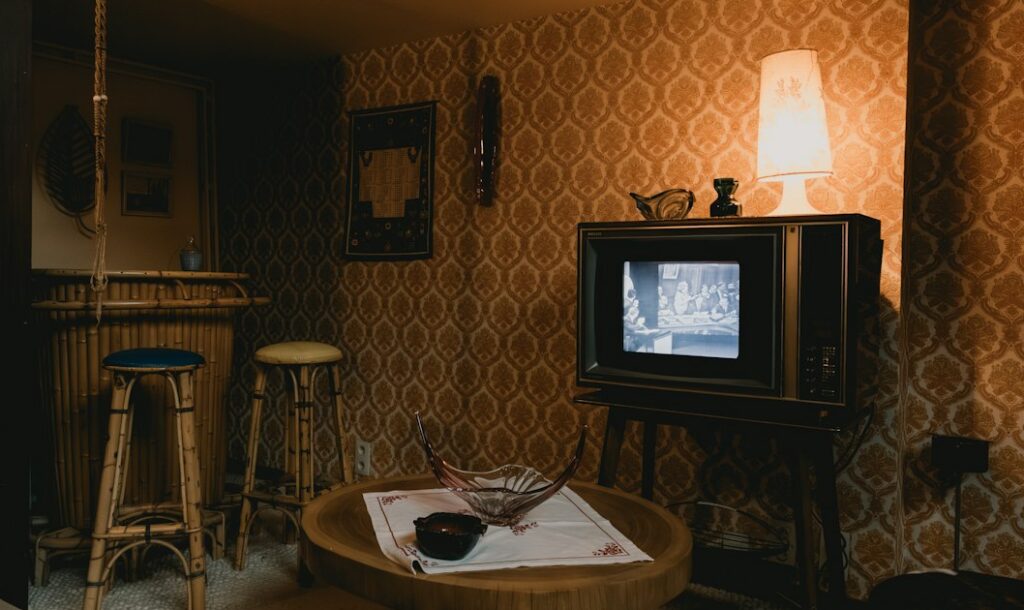
A TV commercial is made to disappear. It runs for a season, sells its cereal or sedan, and then the next spot replaces it.
That’s what makes old TV commercials so strange to watch now. Nobody expected them to be seen again, least of all by people born after the product was discontinued.
The usual framing says vintage ads are “suddenly” popular, and that word deserves some skepticism. The claim tends to arrive without numbers attached. A handful of heavily shared clips can make a niche look like a movement. The documented story is quieter, and better. Most of these ads were never meant to last, and the ones that did mostly got lucky.
The part of television nobody planned to keep
Shows had syndication value and people arguing for their preservation. Commercials mostly didn’t. A Library of Congress report on television preservation found that ads had drawn far less coordinated preservation effort than programs. Archives acquired them sporadically, often as donated collections, and many institutions ranked them low on the priority list.
The report also notes a cataloging problem. Commercials that survived inside recorded broadcasts were often filed under the program’s name, so an ad can sit on an archive shelf for years with no record pointing to it. When the official record is that thin, the unofficial one ends up doing most of the work.
Where the old TV commercials online come from
Trace a circulating clip back far enough and it tends to lead to one of a few kinds of sources. One is the ad business itself. Duke University’s Hartman Center holds AdViews, thousands of commercials that the agency D’Arcy Masius Benton & Bowles made or collected between the 1950s and the 1980s, for clients including General Foods.
Another is awards entries. Indiana University’s media library hosts a Clio Awards collection, and its catalog notes reward browsing. One describes a 1960 Plymouth spot that relies on sound effects played offscreen.
The messiest source is the living room. People taped a movie or a Saturday cartoon block and caught the breaks along with it. Those cassettes now feed collections that individual uploaders post to the Internet Archive. One uploader names each file after whatever was written on the side of the tape, which counts as metadata if you squint. Another gathers off-air ads for defunct products and services, mostly Australian, a useful reminder that this is not only an American pastime.
Why a 30-second spot plays differently now
Part of the appeal is craft that has aged into something else. That Plymouth entry belongs to an era when an announcer’s cadence, a sound cue, or a jingle could carry the whole pitch. In its day that was ordinary salesmanship. Watched decades later, the effort itself starts to look like the show.
Home tapes add what the agencies never filed away, which is context. A home recording keeps the local car dealer, the station’s promos between segments, the phone numbers and prices of one particular week. For people who remember those breaks, nostalgia probably explains a lot. For younger viewers it may be closer to opening a time capsule. Treat that as a reasonable read rather than a finding, since nobody appears to have studied why people watch these.
A joke, a memory and a fragile record
When an old ad does spread widely, it usually travels as a joke: an odd mascot, a dated claim, a brand nobody recognizes. That’s a moment, not a trend. The steadier work happens out of view, as people digitize tapes and label them well enough for strangers to find.
The legal footing is shaky too. Duke says it doesn’t hold the copyright to the vast majority of ads in its digital collections, and uploads elsewhere can vanish as quickly as they appear.
The record will likely keep filling in as tapes turn up in closets and thrift bins. It will fill in unevenly, shaped less by which ads mattered than by what happened to be on when someone pressed record. The commercial break used to be the part everyone fast-forwarded through. For some collectors now, it’s the reason to put the tape in at all.