There’s coffee, and then there’s the whole little world built around it. One place hands you an espresso before you’ve properly woken up. Another has mismatched chairs, enormous muffins, and people who’ve apparently moved in with their laptops. Somewhere down the street, a machine the size of a small refrigerator is turning green coffee beans into something that smells absolutely wonderful.
All three might call themselves coffee shops. Fair enough. But café, coffee bar, and roastery aren’t quite interchangeable, and knowing the difference can save you from ordering lunch somewhere that only sells espresso.
A café is where coffee comes with a reason to stay
The café has always been about more than what’s in the cup.
Brittanica describes cafés as small establishments serving food and drink, historically associated with coffeehouses and typically offering limited menus. The name comes through French, with roots in the Turkish word kahve. Coffeehouse history gets a little murkier. The Online Etymology Dictionary notes coffee’s arrival in Venice in 1615 and suggests that a public café may have opened in Marseille around 1660. That’s a possible early example, not a definitive first.
Today, the café is often the friendliest option when you’re in no particular hurry.
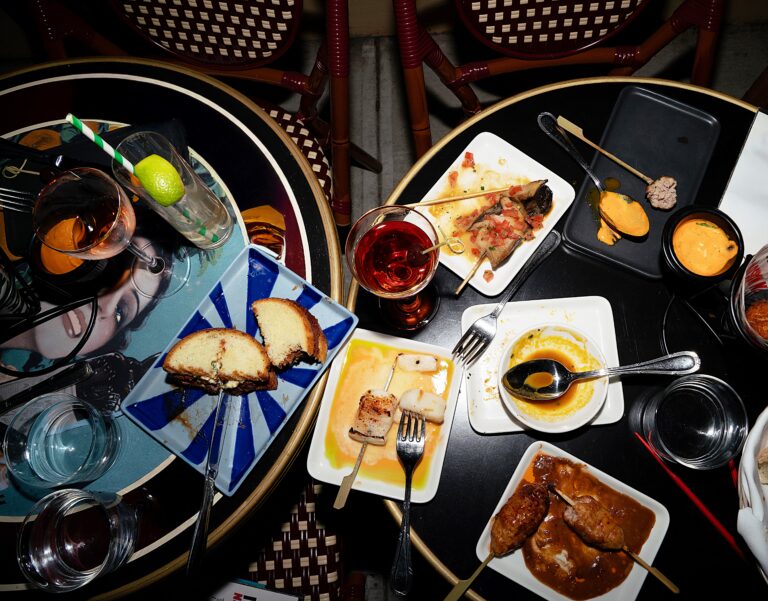
There are tables. Usually pastries. Maybe sandwiches, soup, or a suspiciously ambitious brunch menu. You’re welcome to sit down, order something, and have an actual conversation without feeling like you’re holding up the line.
The coffee itself? Could be spectacular. Could be perfectly ordinary. A café promises somewhere to settle in, not necessarily the finest espresso in town.
Coffee bars take their espresso seriously
Walk into a traditional Italian bar in the morning and you might find people standing shoulder to shoulder at the counter, drinking espresso and exchanging a few words before heading off.
No elaborate ceremony. No settling in for an afternoon. Just coffee, enjoyed as part of the day.
The Michelin Guide explains an important Italian distinction: al banco means drinking at the counter, while al tavolo means sitting at a table, generally for a higher price.
Coffee bars elsewhere borrow some of that counter-first approach, though not always the pricing customs.
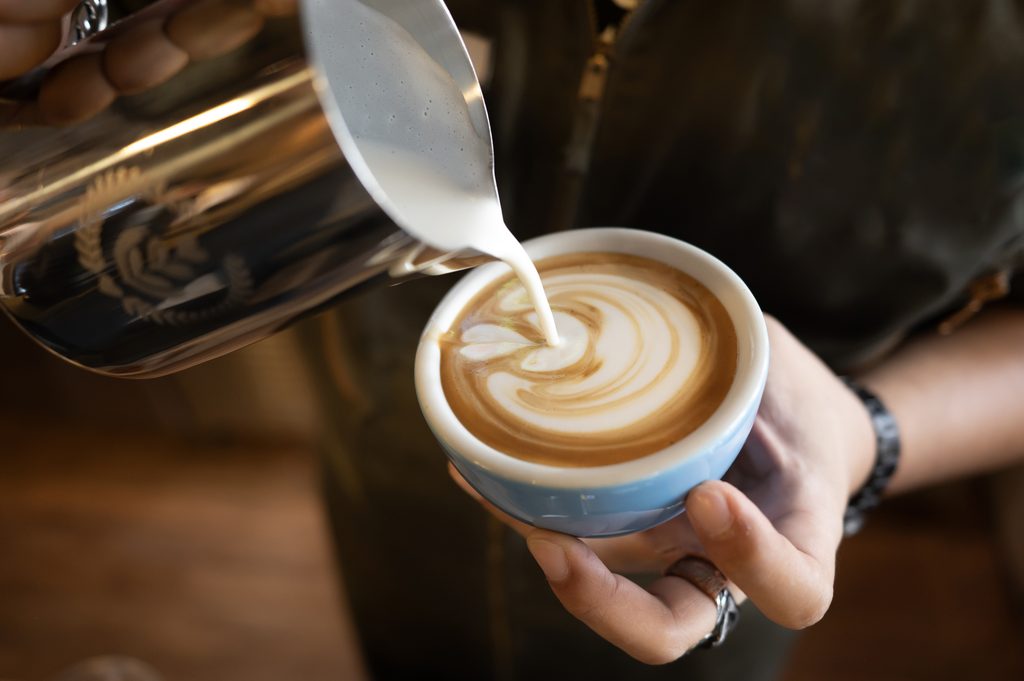
Here, the espresso machine tends to be the star. Watch the barista grind the beans, tamp the grounds, and pull a shot while the steam wand hisses away. Menus may lean toward espresso, cappuccinos, macchiatos, and cortados, with a few pastries making a supporting appearance.
Seats? Sometimes. A full breakfast menu? Don’t count on it.
A coffee bar is a lovely choice when you want a properly made drink and a few minutes to enjoy it. Less wonderful when you’ve brought a laptop, three notebooks, and plans to stay until dinner.
Roasteries are where the coffee gets its character
Before coffee beans become those familiar fragrant brown things, they’re actually greenish, dense, and fairly unremarkable to look at.
Then comes roasting.
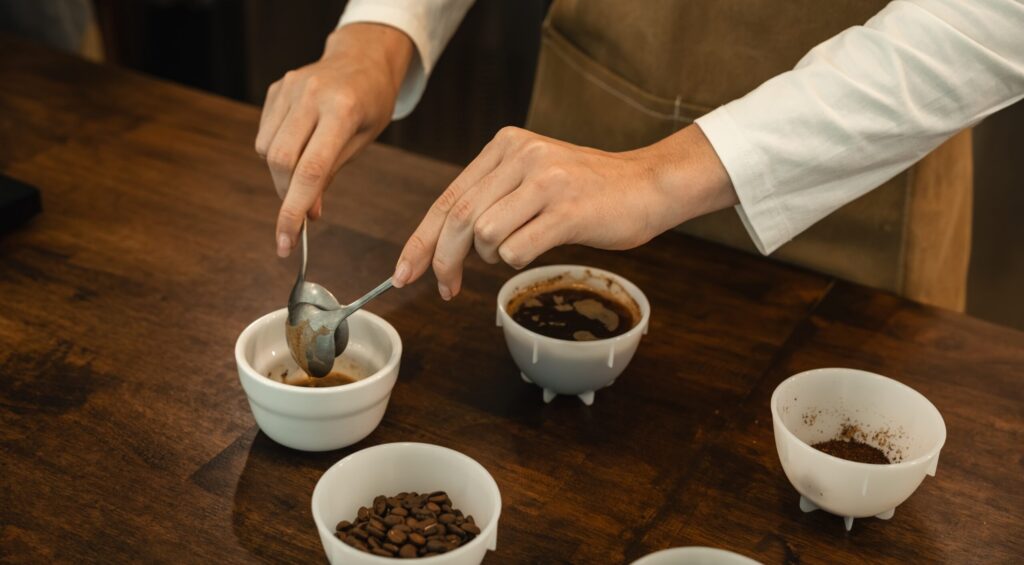
Heat transforms the beans, developing the aromas and flavors that eventually end up in your cup. A roastery is the place where that work happens, and the equipment can be fascinating if you happen to catch it in action.
Some roasteries are production facilities, supplying beans to cafés, restaurants, and stores. They may not serve drinks at all.
Others operate a coffee bar alongside the roasting operation. Those are often called roastery cafés, and they’re particularly interesting if you’re curious about why one coffee tastes bright and fruity while another leans toward chocolate and toasted nuts.
You might find bags labeled with a country, growing region, or farm, along with a roast date. Some places offer several coffees to compare.
And the staff can usually tell you plenty about what’s inside those bags. One thing to check before visiting: a roastery isn’t automatically a coffee shop. Production hours, seating, and public access vary. Nobody wants to make a special trip for a cappuccino only to discover a warehouse full of beans and a locked tasting room.
So which one should you choose?
Think about what you actually want from the visit.
- Café: You’re meeting a friend, grabbing lunch, or hoping to stay awhile. Food and seating are usually part of the deal.
- Coffee bar: You’re after espresso, a cappuccino, or another carefully prepared coffee drink. The counter matters more than the couches.
- Roastery: You want to discover different beans, learn a little about roasting, or bring something home for your morning coffee.
Of course, coffee shops have never been especially interested in staying inside neat little categories.
A café might serve extraordinary espresso. A coffee bar could have plenty of comfortable seating. And a business with “Roasters” painted across its window might do all its actual roasting somewhere else. The sign only tells part of the story.
The easiest way to spot the difference
Take a peek through the window.
Lots of tables and a menu full of sandwiches? Probably a café. A gleaming espresso machine dominating the counter? Coffee bar territory.
A large drum roaster, cooling trays, and shelves lined with freshly roasted beans suggest you’re somewhere that does its own roasting.
Or ask. “Do you roast your beans here?” is a perfectly reasonable question, and an easy way to find out what makes the place tick.
Because the best coffee shop isn’t necessarily the fanciest one, or the place with the most complicated menu. Sometimes you want to linger over a pastry. Sometimes you’ve got seven minutes and need an espresso. And sometimes you want to follow that wonderful roasted-coffee smell down the street and see where it leads.