The chalkboard behind the bar lists a dozen dishes. Half are written in words you can’t place, and a few have a small “½” beside them. The bartender is waiting. So is the person behind you. Reading a restaurant menu in a new city depends less on vocabulary than you might expect. The layout and the size of the plates tell you most of what you need.
Read the shape of the menu before the dishes
Before you translate anything, notice how the menu is grouped. It might be organized by course, by plate size, by cooking method, or by main ingredient. The categories do half the work. A dish you can’t pronounce becomes “something grilled from the small-plates column,” and that is often enough to decide.
Course words trip people up most. In the United States an entrée is the main course, but the word has an older culinary sense: a dish served ahead of the meal’s centerpiece. So if a menu lists entrées above a separate, heavier section, read them as starters. Order two and you may get a pleasant parade of first courses with no main dish behind them.
Portion words are the real price tag
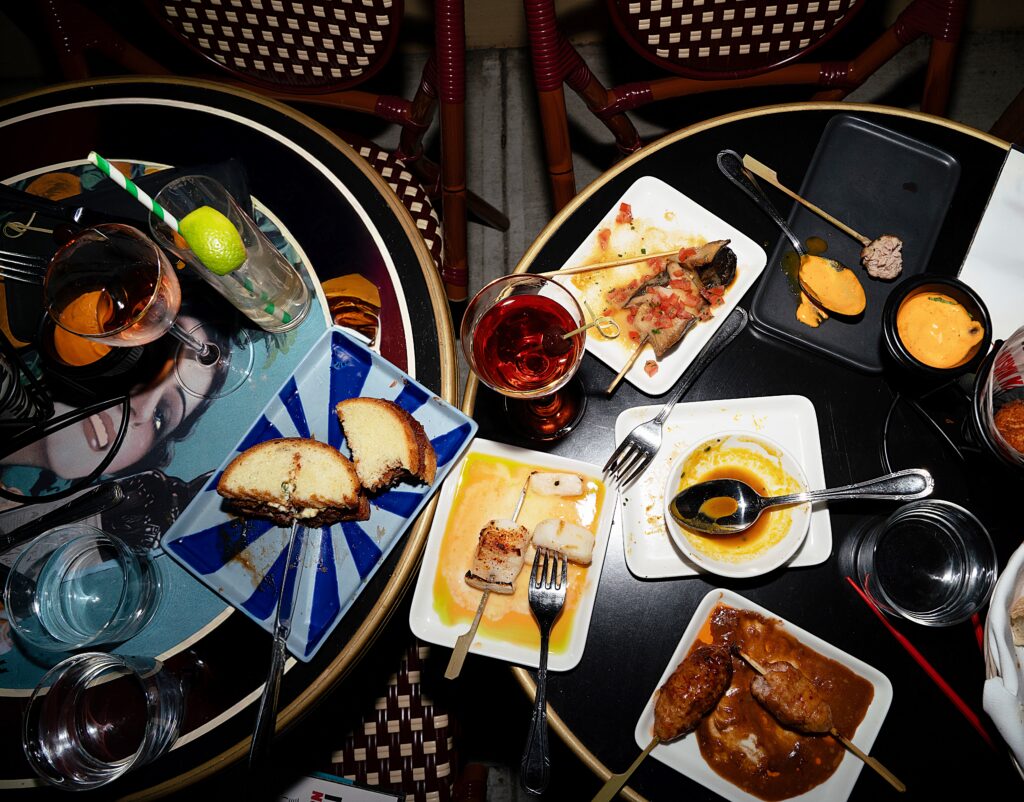
A price means little until you know how much food it buys. Spanish bars show this well. Rick Steves describes a tapa as roughly saucer-sized and a ración as closer to a dinner plate. The half portion, media ración, is written as “½ ración.” Some bars serve nothing smaller than a full ración, so the nibble you had in mind can arrive as a platter for the whole table.
The same habit works elsewhere. Find the size words, then check whether prices change from one column to the next. When the menu doesn’t say, ask whether a dish is enough for two. Ordering a second plate is easier than sending half of the first one back.
When the same word means a different dish
Order a tortilla in Madrid expecting a soft flatbread and something much thicker shows up. In Spain the word means an omelet, as Devour Madrid explains, and tortilla de patatas is the potato version. Neither meaning is wrong. They just belong to different kitchens.
That’s why the words after a dish name deserve attention. A qualifier like “de patatas,” a town name, or a cooking method usually tells you more than the noun in front of it. Photos of a dish with the same name from another country can point you in the wrong direction entirely.
Questions that get a useful answer
“What’s this?” gets you a name. “What is it like?” gets you a description: whether it’s rich or light, spicy or mild, a plate for one or something to share. Asking what regulars order at lunch tends to steer you toward the kitchen’s everyday cooking.
Allergy questions are not optional, and the rules behind them vary. In the UK, the Food Standards Agency says restaurants must give diners information on 14 regulated allergens. That information can be written down or offered through a prompt to ask staff. Other countries handle this differently, so don’t wait for a symbol to appear. State your allergy plainly, and carry a translated card where you don’t speak the language.
Sometimes the best move is to hand the decision over. At a sushi counter, omakase means leaving the choice to the chef, usually as a run of small courses at a set price. Ask what that price is first. Trust comes more easily with a number attached.
What you can skip
You don’t need to translate the full menu before sitting down. You also don’t need to order the most traditional dish to prove anything. Pointing is fine. Mangling the pronunciation is fine too, as long as you’re friendly about it.
A menu in an unfamiliar city is less a test than an opening line in a conversation with the kitchen. The staff have usually had that conversation many times before. Your part is to ask the second question, not just the first.