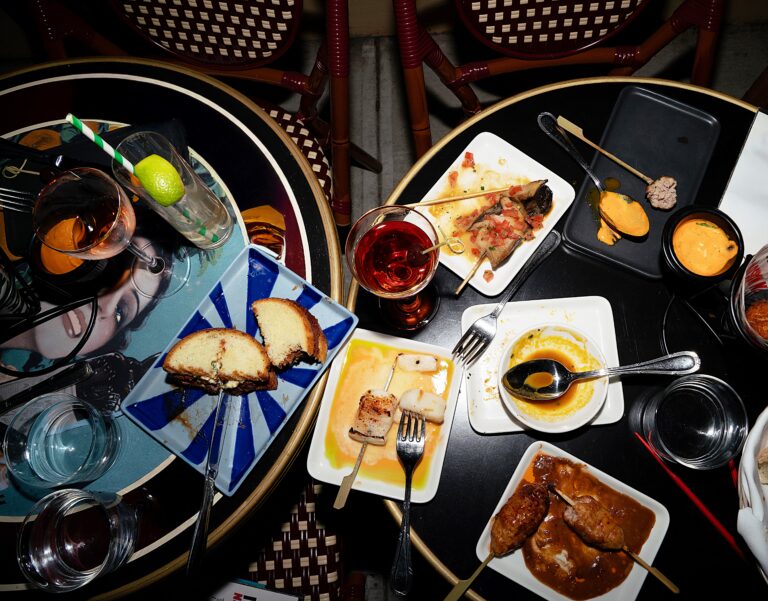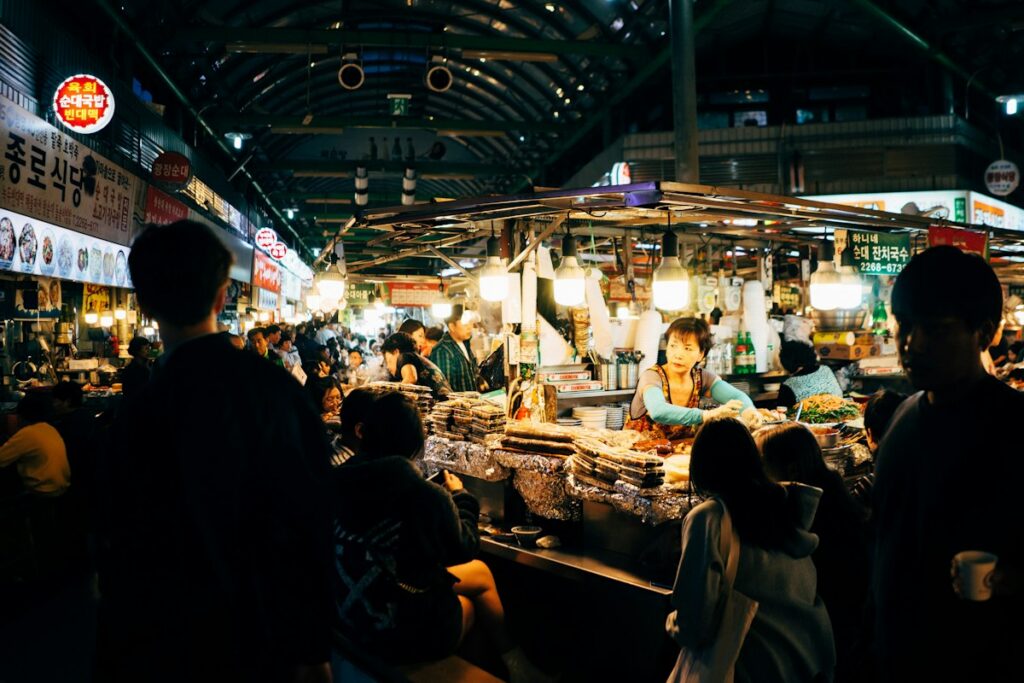
Every food hall runs on a small piece of diplomacy. One person guards the table with a jacket and a stack of napkins while the other three scatter toward ramen, tacos and the pastry case, each promising to be back in five minutes. Twenty minutes later the guard is still on duty. That ritual looks much the same from city to city. Whether the food hall was worth visiting is a far less settled question, and the answer is usually posted in plain sight: on the directory, in the architecture, and in what people carry out the door.
Who actually owns the counters
Start with the vendors, because that’s where a food hall and a dressed-up food court tend to part ways. Grand Central Market in downtown Los Angeles opened in 1917, and the LA Conservancy counts more than 50 stalls there, each privately owned and operated. That arrangement leaves room for personality. A stall run by its owner can get away with a short menu, firm opinions, and the inconvenient habit of selling out of exactly the dish you came for.
The curated model works differently. At Time Out Market Lisbon, the restaurants and chefs are chosen by the magazine’s editorial team, according to FIPP. The hall becomes a shortlist you can walk through. For a first-time visitor, that’s a reasonable bet. The tradeoff is that someone else did the choosing, and the lineup reflects one publication’s taste rather than whoever happened to sign a lease.
Neither model is wrong. The directory board simply tells you which one you’re in: local names with a single location, or brands you already drive past on the highway.
A building that does some of the work
Good lighting and reclaimed wood are not the same as a setting. The halls that last often occupy buildings with a reason to exist beyond the lunch rush. Philadelphia’s Reading Terminal Market took its name in 1893, when it moved beneath the train shed of the Reading Railroad’s terminal, as the Encyclopedia of Greater Philadelphia’s market history explains. Rail passengers walked right past it.
Barcelona’s La Boqueria followed another path. It began as an open-air market where farmers and traveling sellers dealt directly with shoppers, and the roof arrived later, according to Spain’s tourism board. Halls that grew up around trade often put shopping first and seating second. Newer halls built for lingering frequently reverse the order, with plenty of tables and fewer reasons to leave carrying anything. Lingering is a perfectly good reason to go. It’s just a different trip.
A food hall worth visiting sells groceries too
The most useful test is also the least glamorous: look for raw ingredients. Fish on ice, a produce stand, a butcher’s counter with a line of people holding paper-wrapped parcels. Those suggest the hall feeds its neighborhood as well as its visitors. A few other clues deserve a minute:
- Opening hours. A hall that opens early for shoppers keeps a different rhythm from one that wakes up at lunch.
- The ratio. Count the single-location independents against the chains on the directory.
- The takeaway test. Could you leave with something to cook tonight, or only something to eat right now?
- The line. A long queue can mean a great sandwich or a well-timed social post. Notice whether the people in it are holding shopping bags or just their phones.
A hall that fails all four can still make a pleasant lunch with plenty of choice. Think of it as a restaurant with an unusually long menu, and save the detour if you were hoping for a market.
The crowd usually comes first
San Francisco’s Ferry Building shows why the order of events matters. When the building reopened as a food destination in 2003, the farmers’ market outside had already been drawing local shoppers for a decade, the San Francisco Chronicle reported. The hall didn’t create its audience. It moved in next to one.
Keep that in mind the next time a gleaming new hall calls itself the neighborhood’s living room. The halls that earn the title tend to open where people were already gathering around food, and then give the habit a roof.