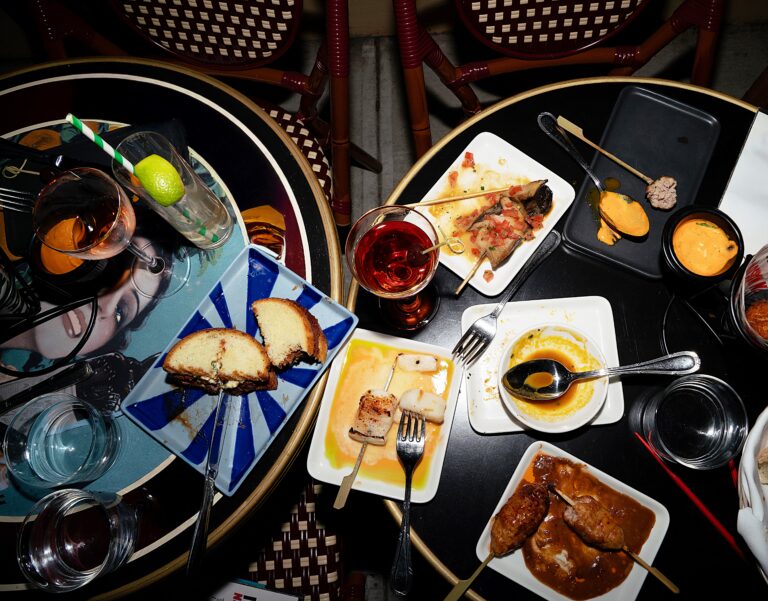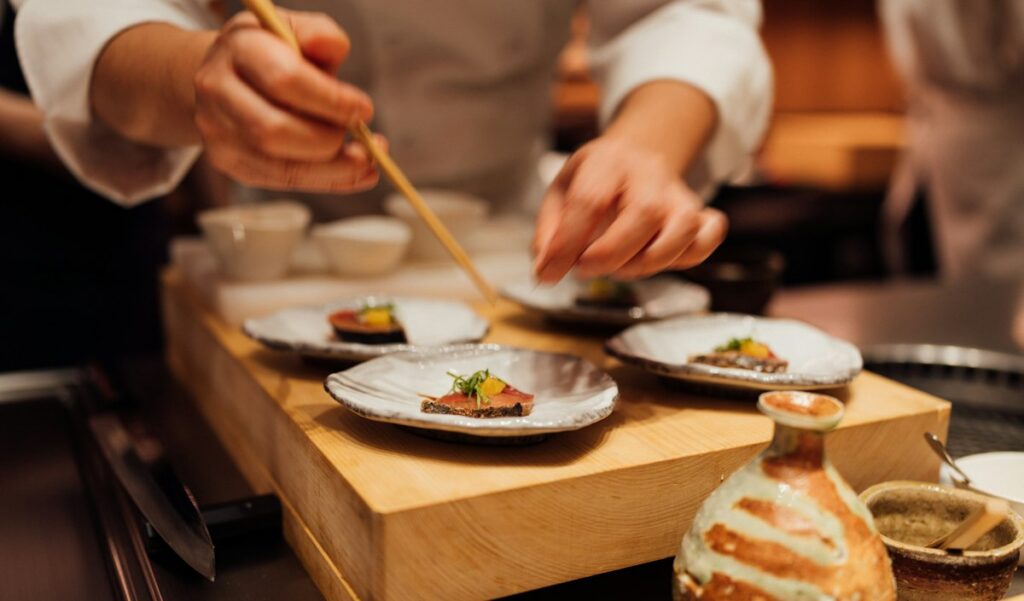
The first bite of a tasting menu is usually tiny: a single spoon, a crisp wafer, something the server describes in more words than it has ingredients. The last thing on the table is often a small printed card listing everything you just ate. Between those two moments sits the real answer to whether a tasting menu fits your budget. It is rarely the number printed beside the word “menu.”
Compare tasting menus by the all-in number
Tally each restaurant on your list the same way: menu price, service charge or expected tip, tax, and drinks. Then compare totals, never headline prices. Surrell shows why. On October 28, 2026, its booking page listed a $225 full tasting menu as a $270 prepaid reservation, with the service charge already folded in. A rival listing $250 before tip can look cheaper and still finish costlier.
California’s SB 1524, signed in June 2024, requires mandatory restaurant fees to be shown clearly, with their purpose explained, wherever food or drink prices appear. Rules vary elsewhere, so read the booking page line by line. The classic mistake is putting a food-only figure next to an all-inclusive one and calling it a bargain.
Decide on drinks and upgrades at home
Pairings, supplements, and extended menus are where a careful budget quietly simmers over. On October 28, 2026, Seline listed a $325 tasting menu and a $465 extended version, and asked guests to plan on two and a half hours for the standard one. Settle that $140 gap before you leave the house, not at the table while everyone else is nodding.
Also ask whether any course carries a supplement. A single glass, a nonalcoholic pairing, or plain water is a perfectly respectable way to season the evening.
Read portions as pacing, not volume
Course counts make poor yardsticks. Twelve courses can include several one-bite snacks, while five can add up to a fuller dinner. Surrell’s 5-course menu was listed at $150, or $180 with service, against 11 to 12 courses for the full version. Ask how many savory courses there are and whether bread comes with the meal. If fear of leaving hungry is your only reason for choosing the longest menu, skip it. Extra length mostly buys time and variety.
Confirm dietary limits and seating before paying
A set sequence leaves a kitchen little room to improvise. Seline accommodates some restrictions with at least 48 hours’ notice. It cannot accommodate vegan diets or combined restrictions, and its extended menu takes no changes at all. Lutèce asks for 72 hours’ notice and names restrictions its chef’s choice tasting cannot handle, including vegetarian, vegan, and multiple restrictions. Guests with those needs are pointed to the à la carte menu.
Ask about access just as early. Counter seating, high stools, steps at the door, or a long seating can all shape the night. A refund policy is unlikely to cover “the room didn’t work for us.”
Price the cancellation policy, too
A prepaid ticket is a different purchase from a reservation. At Protégé in Palo Alto, cancelling or shrinking your party within 48 hours forfeits the deposit or full prepayment, and rescheduling isn’t allowed in that window. Bookings open at midnight, 30 days out. Lutèce is gentler with regular bookings: changes are free up to 24 hours ahead, then cost $25 per person. Its Chef’s Table bookings become nonrefundable inside 24 hours. Book for the people who have actually committed, not the six who said “sounds fun” in the group chat.
The card at the end of the night lists the courses but never the service charge, the pairing, or the seat that went empty. Those belong on a list of your own, written before you book.
Prices and policies were listed on restaurant booking pages on October 28, 2026, and may change.