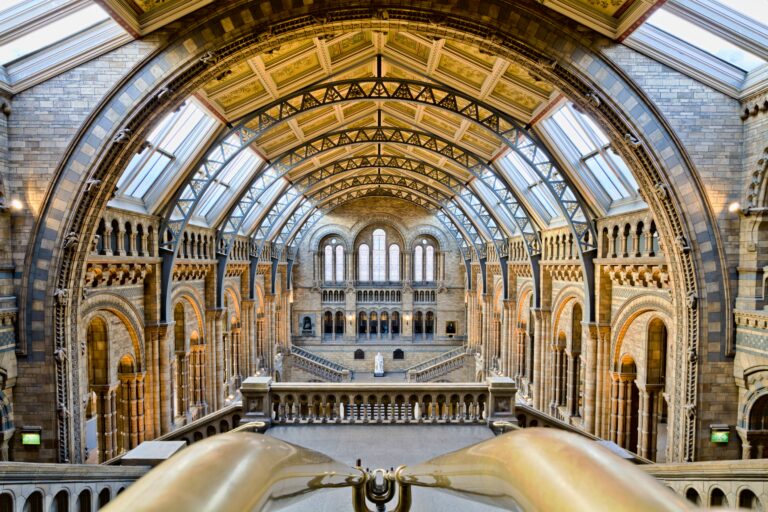
The line wraps around the block, and a man with a lanyard is offering to get you past it for a price. Somebody behind you mutters, “tourist trap.” Maybe. But a long line is information, not a verdict, and the crowd itself is rarely the thing that costs you.
Crowds measure location as much as quality
Popularity cuts both ways. A restored Gothic cathedral and a souvenir arcade near the main square can see the same foot traffic. People crossed oceans to see the first one. The second just sits between the train station and the hotels.
Fleeing every busy place has its own price. It’s entirely possible to spend a trip dodging the very reasons you came, just to feel a step ahead of everyone else. The more useful question is what has been built around the crowd.
Price transparency is the clearest tourist trap test
Start with what entry officially costs, and buy from the official source. Notre-Dame de Paris makes the case neatly. Its visitor page says entry is free and warns about fake paid tickets. It also says reservations happen only on the cathedral’s own site and that no third-party platforms are authorized to sell them. A vendor selling a basic skip-the-line pass there is charging for something the cathedral gives away.
Then compare the advertised price with the final one. In the United States, the Federal Trade Commission’s fee rule has been in effect since May 12, 2025. It bans bait-and-switch pricing for live-event tickets and short-term lodging, and it applies to resellers and travel agents as well as venues. It’s a U.S. rule with a narrow scope, so it won’t help with a boat tour in Lisbon. The habit carries anywhere, though: look at the total before you commit. That includes the café facing the landmark. Prices posted out front are reassuring. A menu with none at all deserves a second look.
A fee is not the same as a trap
Some famous places that used to be free now charge, and that alone says nothing about whether they’re traps. Rome’s tourism office says a €2 ticket has been required since February 2, 2026, to enter the Trevi Fountain’s basin area. The city says the money goes to protecting and maintaining the fountain, and the scheme is set to run through December 31, 2027. Venice has charged some day visitors an access fee of €5 to €10 on designated dates. As Rick Steves points out, only the city’s official website issues valid QR codes.
A fee that is posted, official, and explained is a deal you can take or leave. A charge that surfaces with the bill is a different animal. The difference comes down to whether you knew in advance.
Be honest about what you came for
Interest is the question people tend to skip. Louvre research reported by Smithsonian in 2020 found that about 80 percent of visitors come for the Mona Lisa. If standing in front of her matters to you, the crush is part of the price, and paying it knowingly is a perfectly reasonable choice. If you’re going mainly because everyone does, an enormous museum is waiting in the other direction.
One quick check helps: would you still go if nobody ever saw the photos? If the answer is yes, the wait has probably earned its place on your list.
Look for the side door
Last, see whether there’s another route to the same experience. Official sites post opening hours, so check for early or late slots before assuming midday is your only option. A view sold from a paid platform may also be visible from a nearby street. The same craft, food, or architecture might turn up a short walk away in a quieter neighborhood. Sometimes it doesn’t, and the famous version really is the one worth the trip.
Traps rarely look like crowds. They usually look like convenience: a helpful stranger, a shortcut, a price that isn’t quite the one on the sign. The cathedral at the end of the line, wait and all, is usually just a cathedral.
Fees and booking rules were checked in October 2026 and can change; confirm them on official sites before you go.