Set a few spring celebrations side by side and they refuse to line up. One family lays a new-year table in March. Another throws colored powder on a date that moves every year. A third plans a picnic around whenever the cherry trees decide to bloom. Nobody is confused about when spring starts. They are keeping different clocks.
Spring celebrations that follow the sun
The most exact of these clocks is the equinox. Nowruz, Persian for “new day,” begins at the vernal equinox, which usually falls on March 21. The United Nations counts more than 300 million people who celebrate it. It also puts the holiday’s history at over 3,000 years, across a sweep that runs from the Balkans and the Black Sea through the Caucasus, Central Asia, and the Middle East. That age is the UN’s figure, and a festival this old rarely leaves a tidy paper trail. The timing is easier to check: the new year opens at a moment astronomers can calculate to the minute.
The date is fixed. The customs are not. Across that wide map, communities keep their own spellings (Novruz, Navruz, Nauryz) and their own foods and rituals. They share the moment, not the menu.
When the moon sets the date
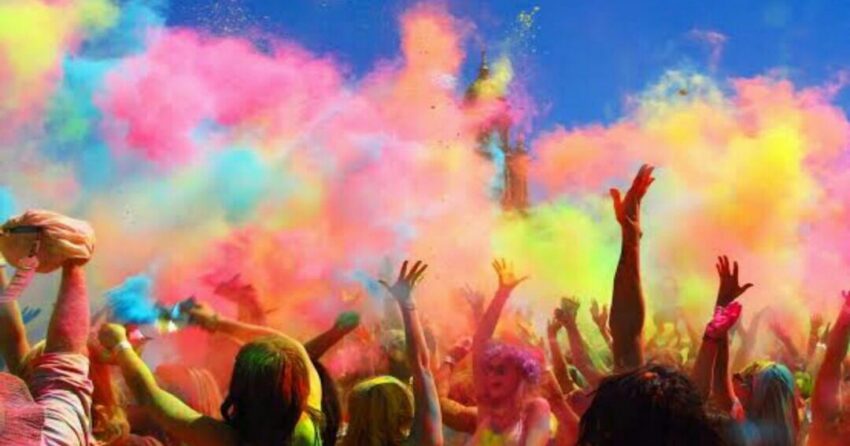
Many other spring holidays run on lunar or lunisolar calendars. These count months by the moon and occasionally add time to stay roughly in step with the seasons. Holi is tied to the full moon of the Hindu month of Phalguna. In many places a bonfire night comes first and the colors follow the next day. Because that full moon shifts against the Gregorian calendar, Holi usually lands somewhere in February or March.
Easter borrows the moon too, though at one remove. Western churches generally set it on the first Sunday after a full moon on or after the spring equinox, and they work from church tables rather than from the sky. Many Orthodox churches calculate with the older Julian calendar, so their Easter often arrives on a later Sunday. Two holidays that both answer to the moon and the season can still fall weeks apart.
A spring festival in the middle of winter
The Chinese Spring Festival usually falls in late January or February, when much of China is still cold. The name points to the traditional calendar, where the new year marks the turn toward spring regardless of the weather. UNESCO added the festival’s new-year practices to its Representative List of the Intangible Cultural Heritage of Humanity in 2024. Here, “spring” names a position in the year rather than a temperature.
The sun’s move into a new sign
Thailand’s Songkran keeps yet another kind of time. Its name comes from the Sanskrit saṅkrānti, a passing or transition. A reference entry from EBSCO ties it to the sun’s yearly entry into Aries, the traditional start of the Thai new year. It now falls in mid-April, in the hottest stretch before the rains. The water fights that soak city streets grew out of something quieter: pouring water to honor elders and to cleanse Buddha images. Those gentler rites have not disappeared. They tend to happen at home and in temples, away from the cameras.
Letting the trees decide
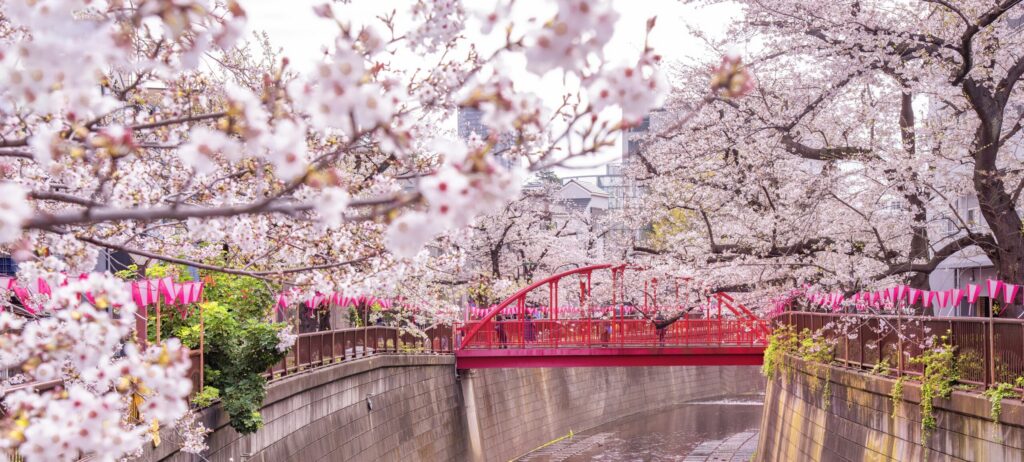
Japan’s hanami has no fixed date at all. Its calendar is the cherry tree. The national weather agency tracks when blossoms open, and the flowering moves gradually from the warmer south toward the cooler north. A picnic in Fukuoka and one in Sapporo can be weeks apart and still belong to the same tradition.
That adds a fourth clock to the sun, the moon, and the stars: the living landscape. The date is whatever the branches say it is.
Spring is happening right now, somewhere
One fact quietly upends the whole comparison. On October 21, 2026, it is spring in Buenos Aires, Cape Town, and Melbourne, while readers in the north are raking leaves. Most of the festivals above took shape north of the equator. South of it, Easter falls in autumn, and the March equinox that opens Nowruz marks autumn’s arrival too.
In Sydney or Melbourne, a Nowruz table still goes up in March, just as the evenings start getting shorter. The holiday kept its date and left its season behind.